Secondary School
15 September 2026
Protect Our Winters (POW) – Winter Gear Sale
Voir plus
.svg)
About us
Student Life
Community
Future Pathways
Contact
ISL Holiday Camps
The ISL Holiday Camps are dedicated to delivering safe, fun, and stimulating holiday experiences in the outdoors.

About us
Student Life
Community
Parent Teacher Association (PTA)
Alumni & Friends Community
Parent Hub Programme
Family Life in Lausanne
Contact
ISL Holiday Camps
The ISL Holiday Camps are dedicated to delivering safe, fun, and stimulating holiday experiences in the outdoors.
Future Pathways
Learn
Study at ISL
Academic Results
Bilingual Programme
Early Childhood
Primary Years Programme (PYP)
Middle Years Programme (MYP)
Diploma Programme (DP)
Diploma Programme Options
High School Diploma
Our Curriculum
Service Learning
The International Baccalaureate (IB)
Student Support Services
Future Pathways
26 March 2026 by ISL Weekly Newsletter
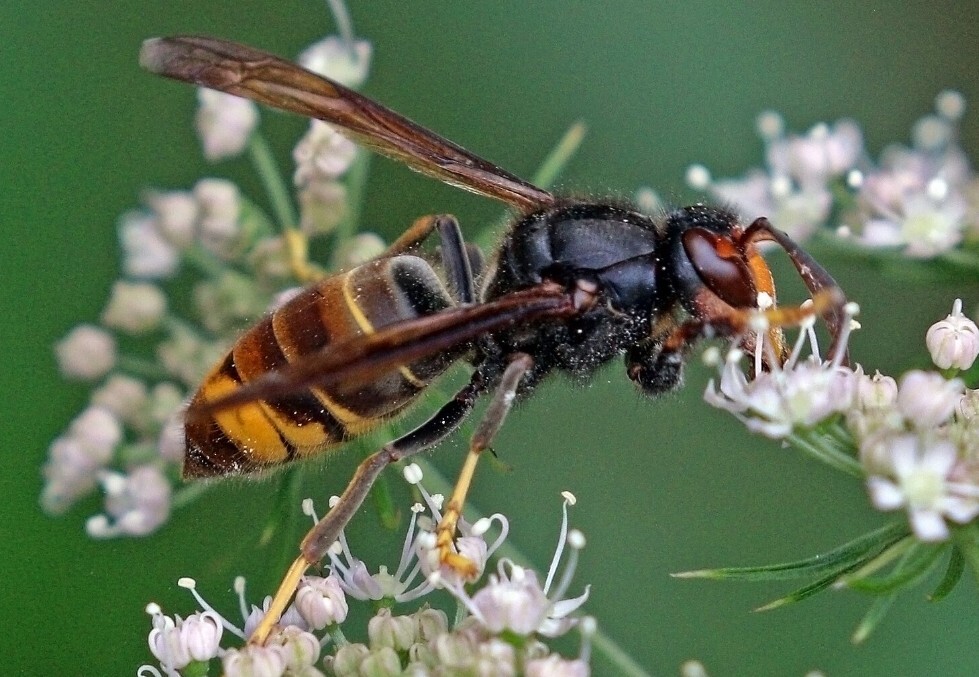
It is not often that we hear much about the Asian hornet (Vespa velutina), yet its presence in Switzerland and Europe in general is dangerous not just to us humans, but to the entire ecosystem. The Asian hornet is known for preying on honeybees and other pollinators, where a single colony can eat at least 10kg of insects per year, and thus severely hurting the native species. Unlike most native wasps, Asian hornets actively hunt bees, often waiting near hives and catching them as they fly in and out. As part of the Beekeeping club, I want to take action.
Spring is the most important time to respond to the threat of Asian hornets, as this time is when they are the most vulnerable. Between February and May, queen hornets emerge from hibernation to establish new nests. If a queen is removed early in the season, it prevents the development of a full colony later in the year. Once a nest is established, it becomes much harder to control, and thus striking at the source is essential in preventing new generations of hornets.
As part of my CAS project, I urge the students, teachers and parents of ISL to create a simple DIY trap for these hornet queens. A simple trap can be made using common materials:
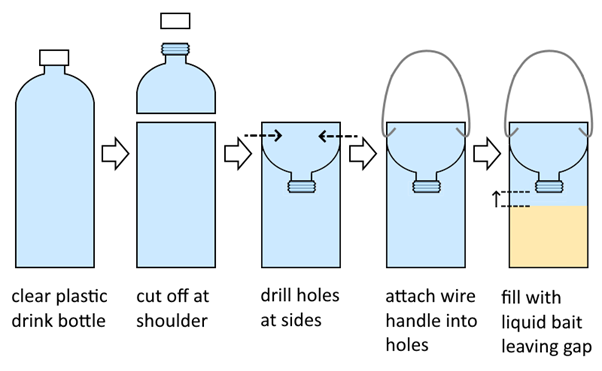
Traps are recommended to be checked regularly. The traps can stay year-round to catch worker hornets as well, but the most effective time is in between late February and May, when the queens must forage. If other insects are caught, they should be released whenever possible. The goal is to target an invasive species without harming local wildlife (including the native European hornet). The best places to put these traps are in places with morning sun, near water sources and about head height to help avoid ants.
Video: How to make an Asian Hornet trap
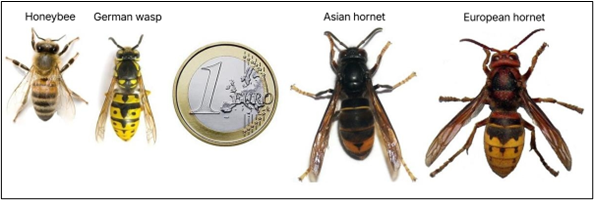
Hornet Identification Guide:
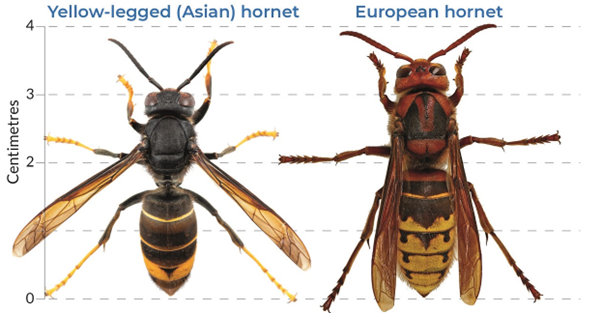
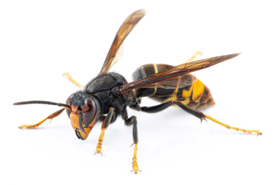
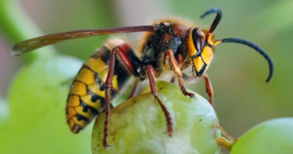
Students should ensure that any trapped hornets are dead before they handle them. If a trapped hornet is still alive, the entire trap can be placed in the freezer until it is dead.
Students who successfully catch an Asian hornet queen can bring it to Mr Aldersey for verification. As an incentive, a jar of honey will be offered in exchange for each queen caught.
For more information about identification or trap setup, contact:
Nikolas Kubik (Year 12)
Philip Aldersey, Science Teacher
Secondary School
15 September 2026
Protect Our Winters (POW) – Winter Gear Sale
Voir plus

Secondary School
10 September 2026
Photos and communication during trips
Voir plus
Secondary School
09 September 2026
Roadworks on Chemin de la Grangette
Voir plus